

—
Introduction – Why a Glucose Reset Might Be the Game‑Changer You Need
Ever felt that mid‑afternoon slump, reached for a candy bar, and wondered why your energy tanked so fast? You’re not alone. Millions of people struggle with fluctuating blood‑sugar levels that leave them tired, hungry, and craving more carbs. The good news? You can reset your glucose metabolism with a few science‑backed strategies that stabilize insulin, curb cravings, and rev up your energy for good. In this post we’ll break down what a glucose reset actually means, why it matters for metabolic health, and how you can implement a step‑by‑step plan that fits into a busy lifestyle.
(Keywords: glucose reset, blood sugar, insulin sensitivity, metabolic health, sugar cravings)
—
1. Understanding the Glucose Rollercoaster
What Happens When Blood Sugar Spikes?
When you eat a high‑glycemic meal—think white bread, sugary soda, or a giant bowl of pasta—your bloodstream absorbs glucose quickly. In response, the pancreas releases a surge of insulin to shuttle that sugar into cells for energy or storage. If this happens repeatedly, cells can become insulin‑resistant, meaning they need more insulin to do the same job. Over time, that resistance can lead to pre‑diabetes, weight gain, and chronic fatigue.
The Benefits of a Stable Glucose Profile
- Steady Energy: No more 2‑hour “crash” after lunch.
- Better Mood: Blood‑sugar swings are linked to irritability and anxiety.
- Improved Fat Burning: When insulin levels stay low, the body more readily taps into stored fat for fuel.
- Sharper Focus: The brain prefers a consistent glucose supply, which supports concentration and memory.
- 3 oz grilled salmon
- 1 cup mixed greens
- ½ cup roasted Brussels sprouts
- Drizzle 1 Tbsp olive oil + lemon juice
- Fasting window is consistent (8 p.m.–12 p.m.). Adjust if you prefer a different schedule.
- Protein appears at every main meal; healthy fats are present in avocado, nuts, olive oil.
- Low‑glycemic carbs (sweet potato, quinoa, cauliflower rice) are limited to one serving per day.
- Physical activity is spread throughout the week, with both cardio and strength.
- Stabilize blood sugar by prioritizing low‑glycemic carbs, high‑quality protein, and healthy fats.
- Give insulin a break with intermittent fasting (e.g., 16/8) and avoid constant snacking.
- Move daily—even short walks after meals can dramatically lower post‑prandial glucose spikes.
- Track your progress using a simple glucose monitor or CGM to identify patterns and refine your plan.
- Adapt and maintain the reset principles as a lifestyle, not a temporary fix.
(Keywords: blood sugar spikes, insulin resistance, stable blood sugar, fat burning, brain fuel)
—
2. Core Pillars of a Successful Glucose Reset
A. Clean Up Your Carbohydrate Sources
| Food Category | What to Choose | What to Limit/Avoid |
|—————|—————-|———————-|
| Whole Grains | Steel‑cut oats, quinoa, brown rice | Instant oatmeal, white rice, refined flour |
| Fruits | Berries, apples, pears (with skin) | Fruit juices, dried fruit, canned fruit in syrup |
| Starchy Veggies | Sweet potatoes, squash, carrots (moderate) | French fries, potato chips, white potatoes in excess |
Actionable tip: Swap one refined carb per day for a low‑glycemic alternative for the first two weeks. Example: Replace a bagel with a slice of whole‑grain toast topped with avocado.
B. Embrace Protein & Healthy Fats
Protein slows gastric emptying, which blunts glucose spikes. Pair every meal with a quality protein source—lean poultry, fish, eggs, tofu, or legumes. Add healthy fats (olive oil, nuts, seeds, avocado) to further smooth the post‑meal glucose curve.
Quick recipe:
C. Time Your Meals with Intermittent Fasting (IF)
Intermittent fasting isn’t a diet; it’s an eating schedule that gives your insulin a “break.” The 16/8 method (16 hours fasting, 8 hours eating) is beginner‑friendly and has been shown to improve insulin sensitivity in several studies.
How to start:
1. Choose a 8‑hour window that fits your routine (e.g., 11 a.m.–7 p.m.).
2. Skip breakfast or push it to the start of your window.
3. Keep water, black coffee, or herbal tea during the fasting period—no calories.
D. Move Your Muscles – The Metabolic Boost
Even a modest 20‑minute walk after meals can lower post‑prandial glucose by up to 30 %. Resistance training (bodyweight squats, kettlebell swings) builds lean muscle, which is a major site for glucose uptake.
Actionable tip: Schedule a 10‑minute brisk walk right after lunch and a 15‑minute strength circuit three times a week.
E. Track, Tweak, and Celebrate
A simple glucose monitor (finger‑stick or continuous glucose monitor, CGM) can provide real‑time feedback. Look for patterns: Does a particular snack cause a spike? Does a walk after dinner flatten the curve? Use that data to fine‑tune your food choices and timing.
(Keywords: intermittent fasting, 16/8 method, insulin sensitivity, glucose monitoring, CGM, post‑prandial glucose)
—
3. Practical 7‑Day Glucose Reset Blueprint
Below is a sample week that incorporates the pillars above. Feel free to swap meals based on preferences, but keep the structure intact.
| Day | Breakfast (optional) | Lunch | Dinner | Snack (if needed) | Activity |
|—–|———————-|——-|——–|——————-|———-|
| Mon | Skip (fasting starts at 8 p.m.) | Grilled chicken salad with mixed greens, cherry tomatoes, ¼ avocado, olive‑oil vinaigrette | Baked cod, cauliflower rice, roasted broccoli | 1 oz almonds | 20‑min walk after lunch |
| Tue | Greek yogurt (unsweetened) + ½ cup berries + 1 Tbsp chia seeds | Turkey lettuce wraps with hummus, cucumber, bell pepper | Stir‑fried tofu, bok choy, quinoa | Apple slices + 1 Tbsp peanut butter | 15‑min bodyweight circuit (squats, push‑ups, planks) |
| Wed | Skip | Lentil soup, side of mixed greens with lemon‑olive oil dressing | Grilled steak, sweet potato wedges, asparagus | Handful of walnuts | 30‑min moderate bike ride |
| Thu | Smoothie (spinach, protein powder, unsweetened almond milk, frozen berries) | Shrimp & avocado salad, lime dressing | Eggplant lasagna (thinly sliced eggplant, ricotta, marinara, mozzarella) | Celery sticks + guacamole | 10‑min post‑dinner walk |
| Fri | Skip | Chicken‑cauliflower “fried rice” (cauliflower rice, diced chicken, peas, carrots, soy sauce) | Salmon fillet, sautéed kale, quinoa | Small dark‑chocolate square (≥70 % cacao) | 20‑min HIIT (30 s work/30 s rest) |
| Sat | Omelet (2 eggs, spinach, mushrooms, feta) | Tuna salad on mixed greens, olive oil & vinegar | Turkey meatballs, zucchini noodles, marinara | Greek yogurt (plain) with cinnamon | Family hike or active outdoor game |
| Sun | Skip | Grilled veggie & halloumi kebabs, side of tabbouleh | Roast chicken, roasted carrots, green beans | Handful of berries | Rest day + gentle stretching |
Key points:
(Keywords: low‑glycemic carbs, protein, healthy fats, fasting window, HIIT, strength training)
—
4. Troubleshooting Common Glucose Reset Challenges
| Challenge | Why It Happens | Quick Fix |
|———–|—————-|———–|
| Persistent Sugar Cravings | Low blood‑sugar episodes or habit loops. | Add a small amount of protein (e.g., a boiled egg) or fiber (chia pudding) to curb the urge. |
| Feeling Light‑Headed During Fasting | Dehydration or electrolyte imbalance. | Drink water infused with a pinch of sea salt and a squeeze of lemon; consider magnesium supplements. |
| Plateau After Two Weeks | Body adapts; metabolic flexibility improves, but habits may slip. | Introduce a “re‑feed” day with slightly higher carbs (sweet potato, fruit) to reset leptin signals, then return to the plan. |
| Difficulty Fitting Workouts In | Busy schedule or low motivation. | Break activity into 5‑minute micro‑sessions (e.g., stair climbs, desk squats). Consistency beats duration. |
| Confusing Glucose Readings | CGM data can be noisy. | Focus on trends (average glucose, time‑in‑range) rather than single spikes; use the app’s summary reports. |
(Keywords: sugar cravings, electrolyte imbalance, metabolic flexibility, CGM trends, time‑in‑range)
—
5. Long‑Term Maintenance – Turning the Reset Into a Lifestyle
A glucose reset isn’t a one‑off detox; it’s a launchpad for sustainable metabolic health. Here’s how to keep the momentum:
1. Rotate Your Fasting Windows – Occasionally try a 14/10 or 18/6 schedule to keep the body adapting.
2. Seasonal Food Swaps – Embrace fresh, in‑season produce to maintain variety and nutrient density.
3. Mindful Eating Practices – Chew slowly, put utensils down between bites, and check hunger cues before reaching for snacks.
4. Regular Check‑Ins – Every month, review your glucose data, weight, and energy levels. Adjust macros or activity as needed.
5. Community Support – Join online forums, local meet‑ups, or accountability groups focused on blood‑sugar management.
When you treat the reset as a habit‑building phase rather than a strict diet, the results become more durable and enjoyable.
(Keywords: sustainable metabolic health, mindful eating, habit building, blood‑sugar management)
—
Conclusion – Key Takeaways for a Healthier Glucose Profile
By applying these evidence‑backed steps, you’ll not only reset your glucose but also lay the foundation for steady energy, better mood, and a metabolism that works for you—not against you. Ready to hit the reset button? Your blood sugar—and your future self—will thank you.
(Keywords: glucose reset, blood sugar management, metabolic health, steady energy, insulin break)
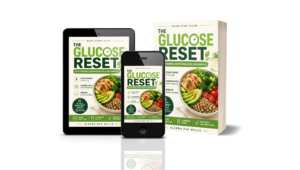
🔥 Want to finally stop cravings & fix your energy?
Get the complete 30-Day Glucose Reset Program — includes meal plans, recipes, and daily check-ins.
👉 Grab Your Copy Now⭐ 4.8/5 rating • 30-day guarantee • 10,000+ users