

—
Hooked on the Sweet Spot: Why a Glucose Reset Matters
Imagine waking up feeling clear‑headed, energized, and free from the mid‑morning crash that makes you reach for that extra cup of coffee or a sugary snack. For millions of people, that “sweet spot” of stable blood sugar feels like a distant dream—until they discover the power of a glucose reset.
A glucose reset isn’t a fad diet or a magic pill; it’s a structured, science‑backed approach to re‑training your body’s insulin response, reducing cravings, and laying the groundwork for long‑term metabolic health. In this post, we’ll unpack what a glucose reset really is, why it works, and—most importantly—how you can implement it today with simple, actionable steps.
—
1. Understanding the Science: How Glucose, Insulin, and Metabolism Interact
The Basics of Blood Sugar Regulation
- Glucose is the primary fuel for every cell in your body. After you eat, carbohydrates break down into glucose, which enters the bloodstream.
- Insulin, a hormone produced by the pancreas, acts like a key, unlocking cells so they can absorb glucose for energy or storage.
- When insulin works efficiently, blood sugar rises after a meal and then gradually falls back to a healthy range (typically 70‑99 mg/dL fasting).
- Insulin resistance occurs when cells become less responsive to insulin’s “key.” The pancreas compensates by producing more insulin, leading to chronically high insulin levels.
- Persistent high insulin can cause weight gain, especially around the abdomen, increase cravings for carbs, and raise the risk of type 2 diabetes, heart disease, and fatty liver.
- What it is: Limiting your daily eating window to 8‑10 hours (e.g., 10 am–6 pm) and fasting the remaining 14‑16 hours.
- Why it helps: Overnight fasting lowers insulin levels, encouraging the body to tap into stored fat for energy.
- Drink 2‑3 L of water daily (more if you’re active).
- Add electrolytes: pinch of sea salt, magnesium supplement, or a homemade electrolyte drink (water + lemon + a dash of Himalayan pink salt).
- Sleep: Aim for 7‑9 hours of quality sleep. Poor sleep spikes cortisol, which antagonizes insulin.
- Stress: Chronic stress triggers the “fight‑or‑flight” response, releasing hormones that raise blood sugar.
- Day 1‑2: Slight cravings as your body adjusts. Stay hydrated and lean on protein.
- Day 3‑4: Energy may feel more stable; you might notice reduced afternoon slump.
- Day 5‑7: Improved mental clarity, better sleep, and a noticeable reduction in cravings for sweets.
- Reset, don’t restrict – The goal is to recalibrate insulin, not to eliminate carbs forever.
- Prioritize protein, healthy fats, and low‑glycemic vegetables to keep blood sugar steady.
- Time‑restricted eating gives insulin a chance to rest, enhancing metabolic flexibility.
- Hydration, electrolytes, sleep, and stress management are essential side‑kicks that amplify results.
- Exercise smartly—mix resistance training, moderate cardio, and occasional HIIT for maximal insulin sensitivity.
- Track, adjust, and repeat—a 7‑day reset can be a springboard for long‑term blood sugar control and improved energy.
What Happens When the System Gets Stuck?
Why a Reset Works
A glucose reset targets the root cause—poor insulin sensitivity—by:
1. Lowering carbohydrate intake temporarily, which reduces the glucose surge after meals.
2. Increasing protein and healthy fats, which provide satiety without spiking blood sugar.
3. Incorporating strategic fasting or time‑restricted eating, giving insulin a chance to “rest” and cells to become more receptive.
These changes signal the pancreas to dial back insulin production, allowing your cells to reset their insulin receptors and improve metabolic flexibility—the ability to switch between burning carbs and fats efficiently.
—
2. The Core Components of a Glucose Reset
A. Clean Up Your Plate: Choose Low‑Glycemic, Nutrient‑Dense Foods
| Food Group | Best Choices | Why They Help |
|————|————–|—————|
| Protein | Wild‑caught salmon, pasture‑raised eggs, grass‑fed beef, plant‑based legumes (in moderation) | Stabilizes blood sugar, preserves lean muscle |
| Healthy Fats | Avocado, olives, nuts, seeds, extra‑virgin olive oil, coconut oil | Slows glucose absorption, promotes satiety |
| Low‑Glycemic Carbs | Non‑starchy veggies (spinach, broccoli, peppers), berries, quinoa (small portions) | Provides fiber and micronutrients without large spikes |
| Fiber Boosters | Chia seeds, flaxseed, psyllium husk | Improves gut health and blunts post‑meal glucose rise |
Actionable tip: Create a “reset plate” for every meal: ½ non‑starchy veg, ¼ protein, ¼ healthy fat. Keep total carbs under 30‑50 g per day for the first 7‑10 days.
B. Time‑Restricted Eating (TRE) – Give Insulin a Break
Actionable tip: Start with a 12‑hour fast (e.g., finish dinner by 8 pm, breakfast at 8 am). After a few days, shift to an 8‑hour window that fits your lifestyle.
C. Hydration & Electrolytes – The Unsung Heroes
During a low‑carb reset, you excrete more water and sodium, which can cause headaches or fatigue.
Actionable tip: Keep a reusable water bottle at your desk and sip consistently. Set a reminder on your phone for a quick electrolyte boost after workouts.
D. Move Smart, Not Just Hard
Exercise amplifies insulin sensitivity, but the type of movement matters.
| Activity | Frequency | Benefits for Glucose Reset |
|———-|———–|—————————-|
| Resistance training (weights, bodyweight) | 2‑3 times/week | Builds muscle, which is a primary glucose sink |
| Moderate cardio (brisk walk, cycling) | 150 min/week | Improves cardiovascular health, aids fat oxidation |
| High‑Intensity Interval Training (HIIT) | 1‑2 times/week | Provides a rapid insulin‑sensitivity boost |
Actionable tip: Schedule a 20‑minute strength circuit on Monday, Wednesday, Friday. Add a 30‑minute walk on Tuesdays and Thursdays.
E. Sleep & Stress Management – The Hidden Regulators
Actionable tip: Implement a bedtime routine (dim lights, no screens 30 min before sleep). Practice 5‑minute deep‑breathing or a short meditation after lunch to keep cortisol in check.
—
3. Step‑by‑Step 7‑Day Glucose Reset Blueprint
| Day | Meal Focus | Eating Window | Key Action |
|—–|————|—————|————|
| Day 1 | Kick‑off: High‑protein, moderate‑fat, low‑carb | 10 am–6 pm | Log your meals in a food diary or app |
| Day 2 | Add fiber‑rich veggies to every meal | Same window | Drink 2 L water + electrolytes |
| Day 3 | Introduce short fast: 12‑hour overnight fast | Finish dinner by 7 pm, breakfast at 7 am | 15‑minute walk after lunch |
| Day 4 | Resistance training (full body) | Same window | Check blood sugar (optional) before and after workout |
| Day 5 | Swap a carb side for extra healthy fat (e.g., avocado) | Same window | 10‑minute meditation before bed |
| Day 6 | HIIT (20 min) + stretch | Same window | Add a serving of berries for antioxidants |
| Day 7 | Review & plan next phase (gradual carb re‑introduction) | Same window | Celebrate progress—take a photo, note energy levels |
What to Expect:
—
4. Transitioning Beyond the Reset: Maintaining Blood Sugar Balance
A glucose reset is a catalyst, not a permanent diet. Here’s how to keep the benefits without feeling restricted:
1. Gradual Carb Re‑introduction – Add 10‑15 g of complex carbs (e.g., sweet potato, quinoa) per day for a week, monitoring how you feel.
2. Rotate Protein Sources – Keep meals interesting and nutrient‑dense by alternating fish, poultry, legumes, and lean red meat.
3. Stick to the Eating Window – Even after the reset, maintaining a 10‑12‑hour eating window helps keep insulin levels steady.
4. Weekly “Reset Days” – Choose one day per month to repeat a low‑carb, time‑restricted routine to reinforce insulin sensitivity.
5. Track Progress – Use a simple spreadsheet or app to note fasting glucose, energy levels, and body composition every two weeks.
Pro tip: Pair your diet with a daily 10‑minute mobility routine (spine twists, hip openers) to keep stress low and circulation high—both of which support glucose regulation.
—
5. Common Pitfalls & How to Overcome Them
| Pitfall | Why It Happens | Quick Fix |
|———|—————-|———–|
| Feeling “hangry” | Sudden carb drop triggers cravings | Keep a handful of nuts or a hard‑boiled egg handy; increase fiber |
| Plateau in weight loss | Body adapts to lower carbs | Introduce a new workout modality (e.g., kettlebell swings) |
| Social eating pressure | Parties often revolve around sugary foods | Eat a protein‑rich snack before events; bring a low‑carb dish to share |
| Skipping electrolytes | Leads to fatigue, headaches | Set a daily reminder to add a pinch of sea salt to water |
| Inconsistent sleep | Undermines insulin sensitivity | Use a sleep tracker to identify patterns; adjust bedtime routine |
—
Conclusion: Key Takeaways for a Successful Glucose Reset
By following this practical blueprint, you’ll not only experience a noticeable boost in daily vitality but also lay the foundation for sustained metabolic health. Ready to press the reset button on your glucose? Start today, stay consistent, and watch your body thank you with steady energy, fewer cravings, and a healthier, happier you.
—
Keywords used naturally: glucose reset, blood sugar control, insulin sensitivity, low-carb diet, metabolic health, time-restricted eating, healthy fats, protein, electrolytes, resistance training, HIIT, sleep, stress management.
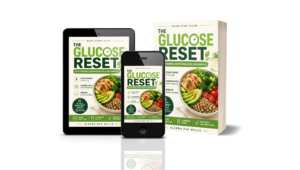
🔥 Want to finally stop cravings & fix your energy?
Get the complete 30-Day Glucose Reset Program — includes meal plans, recipes, and daily check-ins.
👉 Grab Your Copy Now⭐ 4.8/5 rating • 30-day guarantee • 10,000+ users